



Are returns to work after long-term leave due to musculoskeletal disorders effective? What is going wrong?
10 December 2025.
Authors: Alicia Piedrabuena Cuesta, Alberto Ferreras Remesal, María Francisca Peydró De Moya, Sonia Serna Arnau, Raquel Ruiz Folgado, Carolina Soriano García, Amparo López Vicente, Mercedes Sanchis Almenara.
Instituto de Biomecánica (IBV)
Musculoskeletal disorders (TME) are currently one of the main causes of work-related temporary incapacity, with a significant impact both on workers’ health and on companies’ costs and work organisation. Despite the existence of protocols and recommendations for returning to work after long-term leave or relapses due to TME, the data show that relapses remain frequent, especially in certain sectors and within an increasingly ageing workforce. This indicates that return-to-work procedures are not always applied appropriately or effectively. Instituto de Biomecánica (IBV) has undertaken a project focused on identifying these problems and gaps, as well as the key elements that should be included in “successful” return-to-work protocols, with the aim of proposing improvements and tools to reduce the risk of relapse due to TME, improve workers’ wellbeing and, at the same time, optimise productivity and absenteeism management within organisations.
INTRODUCTION
Musculoskeletal disorders (TME) are among the most common work-related conditions and account for a large number of sickness absences. These disorders affect millions of workers across Europe and represent a cost of billions of euros for companies. Therefore, addressing TME helps to improve workers’ lives, while also benefiting organisations [1].
In most cases, the main cause of these temporary incapacity (IT) processes lies in inadequate working conditions, either from a technical perspective (workstation dimensions, location of work elements, etc.) or an organisational one (job rotation, breaks, time allocated for carrying out different tasks, etc.). This implies that, if the issue that causes the TME leading to temporary incapacity is not resolved, once the worker returns there is a high likelihood of relapse and, in the medium to long term, a loss of physical capacity.
In fact, according to a study by the National Institute for Safety and Health at Work [2], 6% of the cases analysed were relapses or aggravations of a previous episode. The same study states that relapses were proportionally more frequent among men, among those aged over 55, and among workers in activities such as manufacturing industry, sanitation activities and transport.
In addition, the aforementioned study indicates that the duration of leave was statistically longer in those episodes that represented relapses (an average of 71 days off work), compared with IT processes due to newly occurring conditions (an average of 50.4 days off work).
To address this issue, in 2018 the INSST published the Technical Prevention Note NTP 1116, “Maintenance and return to work: procedure”, which aims to define the procedure organisations should follow to reintegrate a person after an IT process. In addition, the Regional Institute for Safety and Health at Work of the Community of Madrid published the “Protocol for returning to the workplace after long-term sickness absence in SMEs in the Community of Madrid” [3], which provides recommendations (for both healthcare staff and technical staff).
However, despite the existence of protocols—and although the latter is more specific—musculoskeletal disorders and, in particular, relapses (with disability due to loss of physical capacity in the medium to long term) remain one of the main problems for companies in relation to absenteeism; a problem that, as noted, worsens as the workforce ages. This indicates that return to work is not being carried out appropriately, even though the different key stakeholders related to occupational risk prevention, workers’ recovery during temporary incapacity and their return after leave (with any necessary job adaptations) have information on the steps required for a return with appropriate safeguards.
Based on this situation, IBV has carried out a project with the aim of identifying the problems encountered by organisations and the various stakeholders involved in returning workers to work after long-term IT processes or relapses due to TME, in order to implement “successful” return-to-work protocols and, consequently, propose measures to redefine these protocols.
DEVELOPMENT
First, given that musculoskeletal disorders are a global issue, a literature review was conducted to understand the state of the art regarding protocols or good practices for returning workers to work after long-term or recurrent leave due to TME in other countries, as well as their effectiveness.
Subsequently, drawing on information on protocols at national and international level, discussion groups were held with different key stakeholders:
- Large companies from different sectors and fields of activity.
- Small companies from different sectors and fields of activity, together with external prevention services.
- Mutual insurance companies collaborating with Social Security (MCSS), public administration (INVASSAT, Labour Inspectorate) and HR professionals.

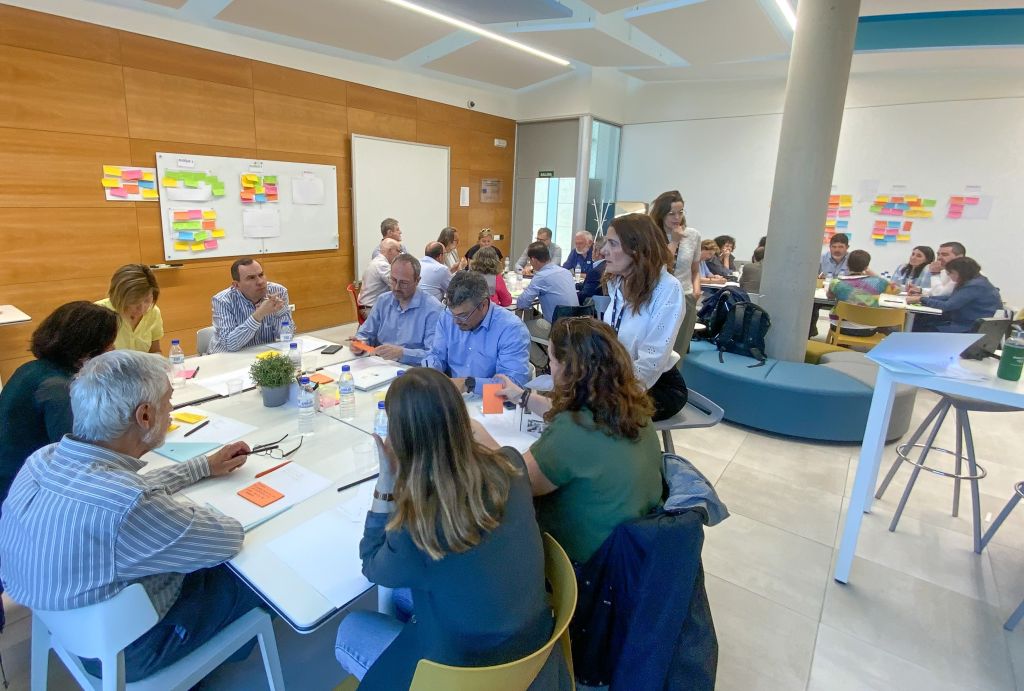
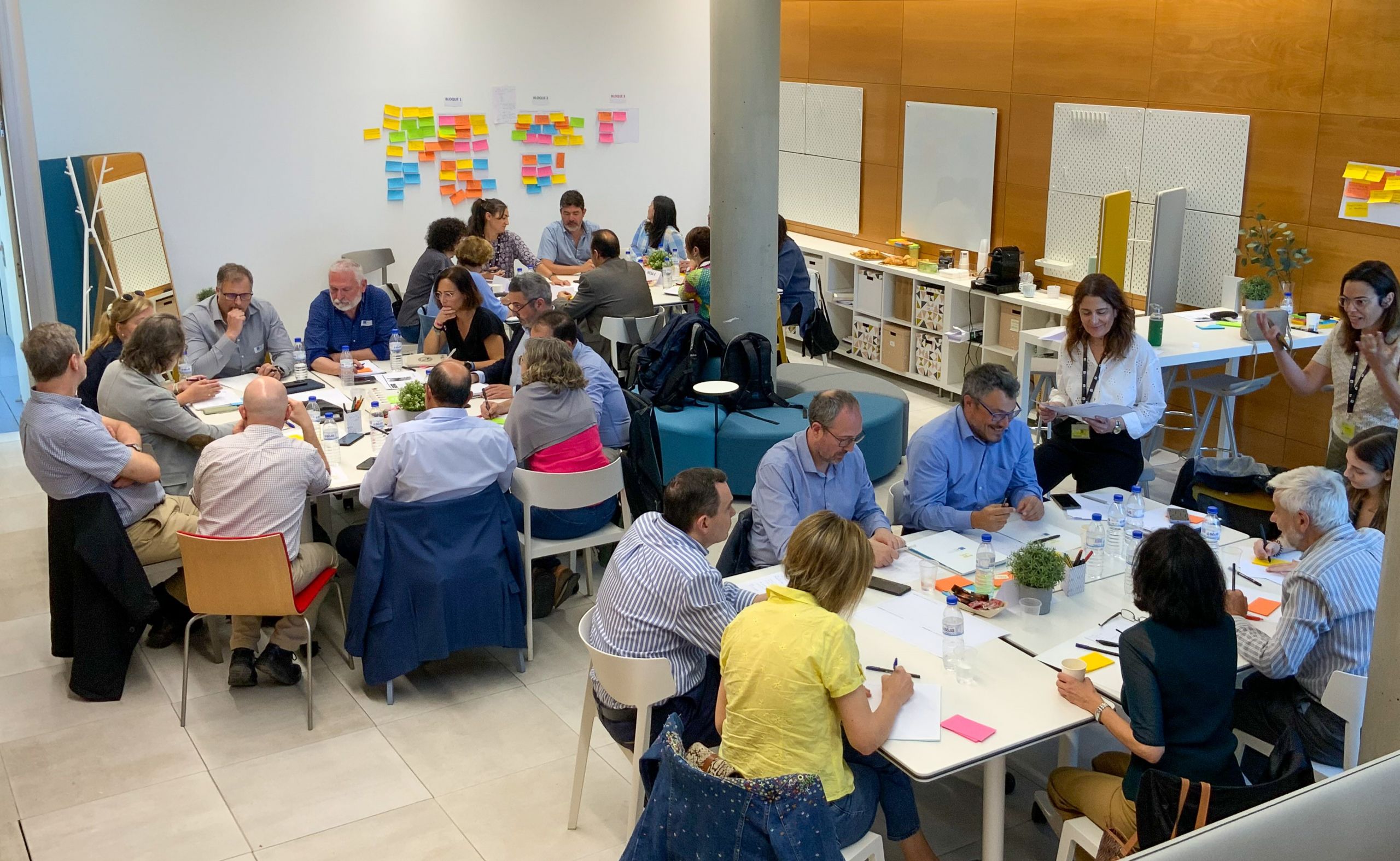
Figure 1. Imagen from the discussion group sessions
The objective of these discussion groups was to find out whether companies apply return-to-work protocols for workers following long-term or recurrent leave and, if so, how they implement them and what the outcome is. Where they do not apply them, the aim was to understand the reasons, the problems they encounter, and what they would need in order to put them into practice.
Based on the information gathered in the discussion groups, a survey was developed to collect information from a larger number of companies, prevention services, MCSS, etc., making it possible to identify the problem in light of the realities of different companies and sectors.
CONCLUSIONS
After analysing the information collected, both from the discussion groups and from surveys conducted nationwide, the conclusions were as follows:
• There is a high perceived importance of return-to-work procedures, but their level of implementation is low.
• The critical areas identified are early intervention, psychological support and a gradual return to work.
• The correlation between importance and compliance with key aspects suggests room for improvement in practical implementation.
The improvements identified as necessary to achieve more effective returns to work are: increasing organisational commitment and training for middle management; implementing clear and applicable protocols for all types of companies; and fostering a prevention culture within organisations.
In relation to what return-to-work protocols should incorporate, the conclusions were that they should include: an initial assessment and the design of an individualised plan for the returning worker; open communication between all parties involved; flexible adaptations of the work environment; ongoing follow-up; and the creation of “light-duty” roles.
Finally, a number of innovative proposals were put forward that could support more effective returns to work:
✔ Tools to adapt jobs based on their demands and the capacities of the returning worker.
✔ Occupational risk maps to identify vulnerable jobs.
✔ A single medical record to centralise relevant information.
✔ A progressive return that minimises the risk of relapse.
In summary, the project’s outcome highlights the need for a co-ordinated and proactive approach to ensure an effective and sustainable return to work that not only prioritises workers’ wellbeing, but also improves organisational productivity and reduces long-term costs.
ACKNOWLEDGEMENTS
Thanks to the Fundación Prevent for funding this project through the Investiga PRL grants.

BIBLIOGRAPHY
[1] Work-related musculoskeletal disorders: prevalence, costs and demographics in the EU (https://osha.europa.eu/es/publications/msds-facts-and-figures-overview-prevalence-costs-and-demographics-msds-europe).
[2] El trastorno musculoesquelético en el ámbito laboral en cifras. Instituto Nacional de Seguridad y Salud en el Trabajo (2012) (NIPO 272-13-027-7).
[3] Protocolo de reincorporación al puesto de trabajo tras una baja laboral de larga duración en PyMEs de la Comunidad de Madrid (http://www.madrid.org/bvirtual/BVCM050301.pdf).
Nota Técnica de Prevención NTP 1116 “Mantenimiento y vuelta al trabajo: procedimiento”
AUTHOR’S AFFILIATION
Instituto de Biomecánica de Valencia
Universitat Politècnica de València
Edificio 9C. Camino de Vera s/n
(46022) Valencia. Spain
HOW TO CITE THIS ARTICLE
Author/s: Alicia Piedrabuena Cuesta, Alberto Ferreras Remesal, María Francisca Peydró De Moya, Sonia Serna Arnau, Raquel Ruiz Folgado, Carolina Soriano García, Amparo López Vicente, Mercedes Sanchis Almenara. (10 December 2025). «Are returns to work after long-term leave due to musculoskeletal disorders effective? What is going wrong?. Revista de Biomecánica nº 72. https://www.ibv.org/actualidad/son-efectivas-las-reincorporaciones-tras-bajas-de-larga-duracion-por-trastornos-musculoesqueleticos-que-esta-fallando/
The publication of this article is funded by Budget Line S1048, “Technology Centres of the Valencian Community. Targeted support”, of the Valencian Regional Government’s 2025 Budget (IMAMCA/2025/7).